



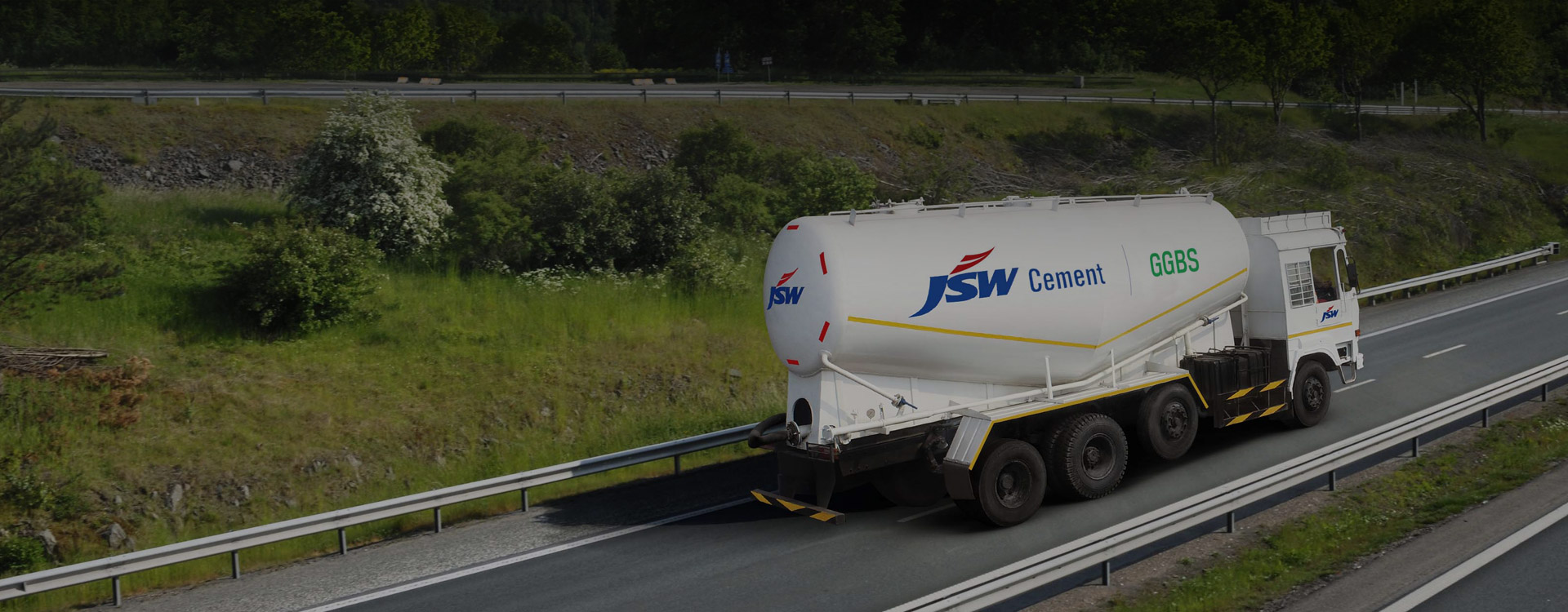
Cementitious
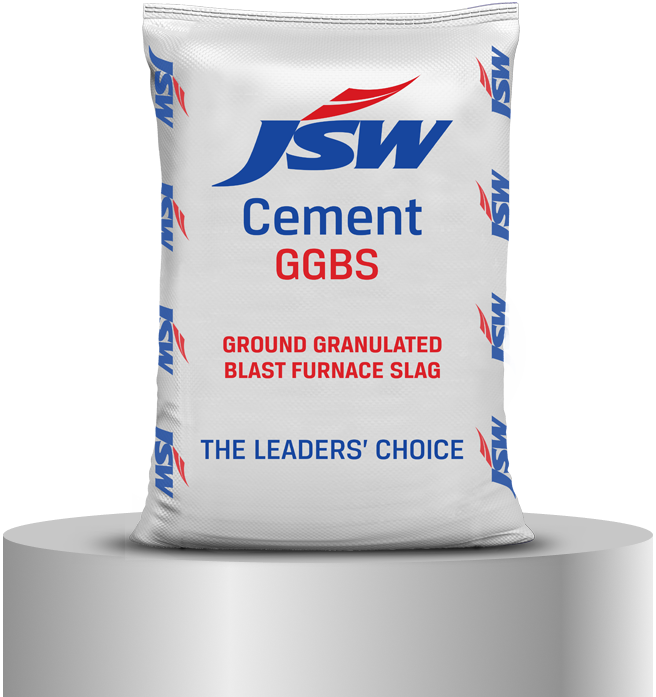
Ground Granualated Blast Furnace Slag
Download Brochure See projects built with GGBS EPD data on GGBS
Bengaluru Mysuru Expressway

Samruddhi Mahamarg Expressway

Bengaluru International Airport

Bengaluru Metro Phase 2

Mumbai Transharbour Sea Link
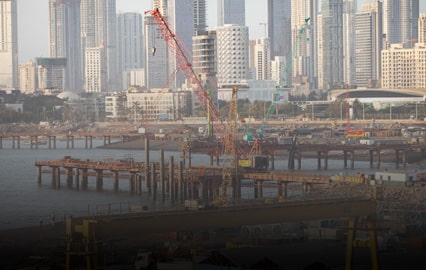
Mumbai Coastal Road

Mumbai Underground Metro (Line 3, MMRCL)

Pune-Maharashtra Metro Rail


GGBS’s inherent chemistry gives it several advantages over ordinary cement:

Reduced thermal cracks due to
lower heat of hydration
Reduced shrinkage cracks
Improved workability
and smoother finishes
Improved cohesion

Better resistance against chemicals such as chlorides, sulphates and carbon dioxide
Higher compressive strength (both initial and long-term strength)
Higher flexural strength
Improved durability
More than half of GGBS demand in the country is from infrastructure projects. Residential and industrial/commercial projects are the other two end-use segments. Indeed, infrastructure projects such as metros, roads and bridges, etc have shown the highest adoption of GGBS.
In the residential segment, GGBS adoption can be observed in large real estate projects. High-rise buildings and township projects are using GGBS. GGBS finds application in foundation works owing to low heat of hydration.
Commercial RMC, project and captive consumption are the major applications of GGBS which together accounted for approximately 95.00% share in GGBS application in Fiscal 2024 according to CRISIL Report.
GGBS is one of the most effective materials that can be used as replacement (for OPC and fly ash) in concrete manufacturing with a replacement potential ranging approximately 25.00% -70.00% based on the required application. For example, the replacement potential of GGBS in foundations of high-rise buildings ranges 60.00% – 65.00% while its replacement potential for surfaces above the ground ranges 40.00% -50.00%.
(Source: CRISIL report)
Our GGBS is commonly used in blended cement products such as PSC and PCC and as a replacement material for OPC in concrete production. According to the CRISIL Report, upcoming applications of GGBS include soil stabilisation, autoclaved aerated concrete, grout, dry mix products, microfine GGBS and geopolymers.